How to Choose a 3D Scanner: Handheld Laser, Tracker, Structured Light or a Service
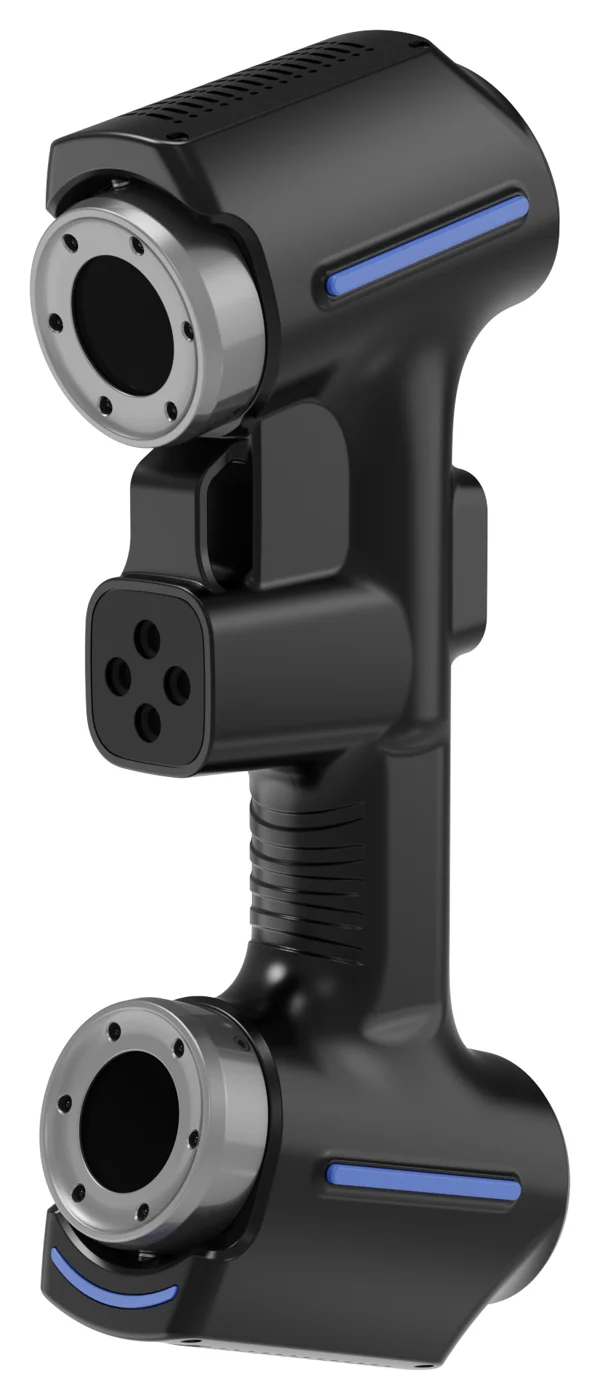
How to choose a 3D scanner in India or the UAE: handheld laser, tracker or structured light, and when a scanning service is the better buy.
Read article →
Practical guides on 3D scanning, reverse engineering, inspection and scan-to-CAD, written by the VShark engineering team.
How to choose a 3D scanner in India or the UAE: handheld laser, tracker or structured light, and when a scanning service is the better buy.
Read article →What files you get from a 3D scan: STL mesh, STEP, IGES, Parasolid CAD and the inspection PDF report. What each is for and how to choose, in plain terms.
Read article →How a 3D scan becomes editable CAD in SolidWorks or your CAD software: sections, surfaces, deviation check, STEP or Parasolid, and when a mesh is enough.
Read article →How to 3D scan shiny, reflective and dark parts: when spray helps, markers, scan angle, scan modes, and what the Vertex3D does and does not solve.
Read article →Handheld 3D scanner accuracy by model: the maker's stated values for Vertex3D, Vertex3D Pro and Vertex Tracker, a worked volumetric example and use cases.
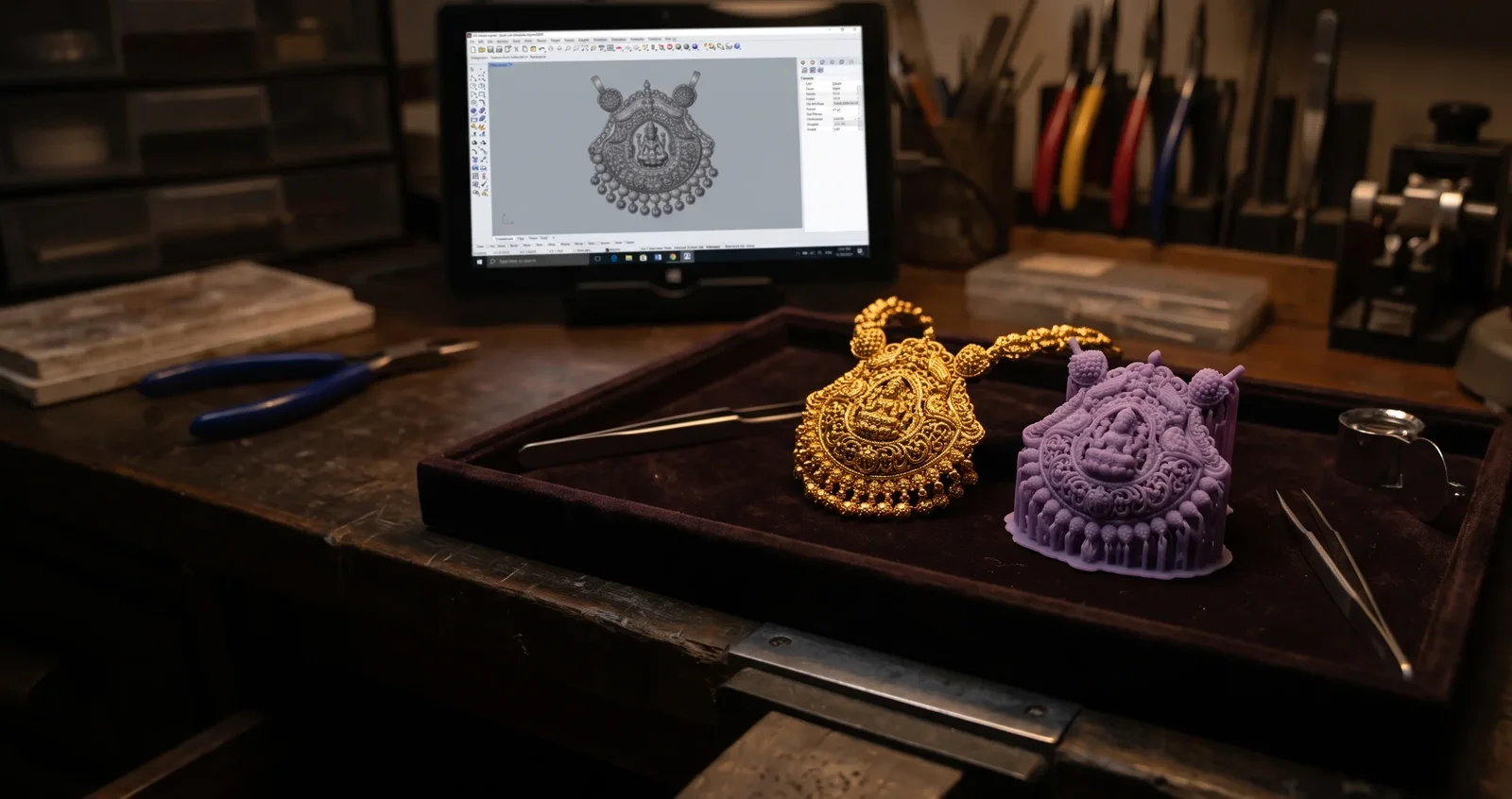
Read article →How 3D scanning captures fine detail in jewellery, temple idols and heritage carvings, for replication, restoration, casting patterns and digital archives in India and the UAE.
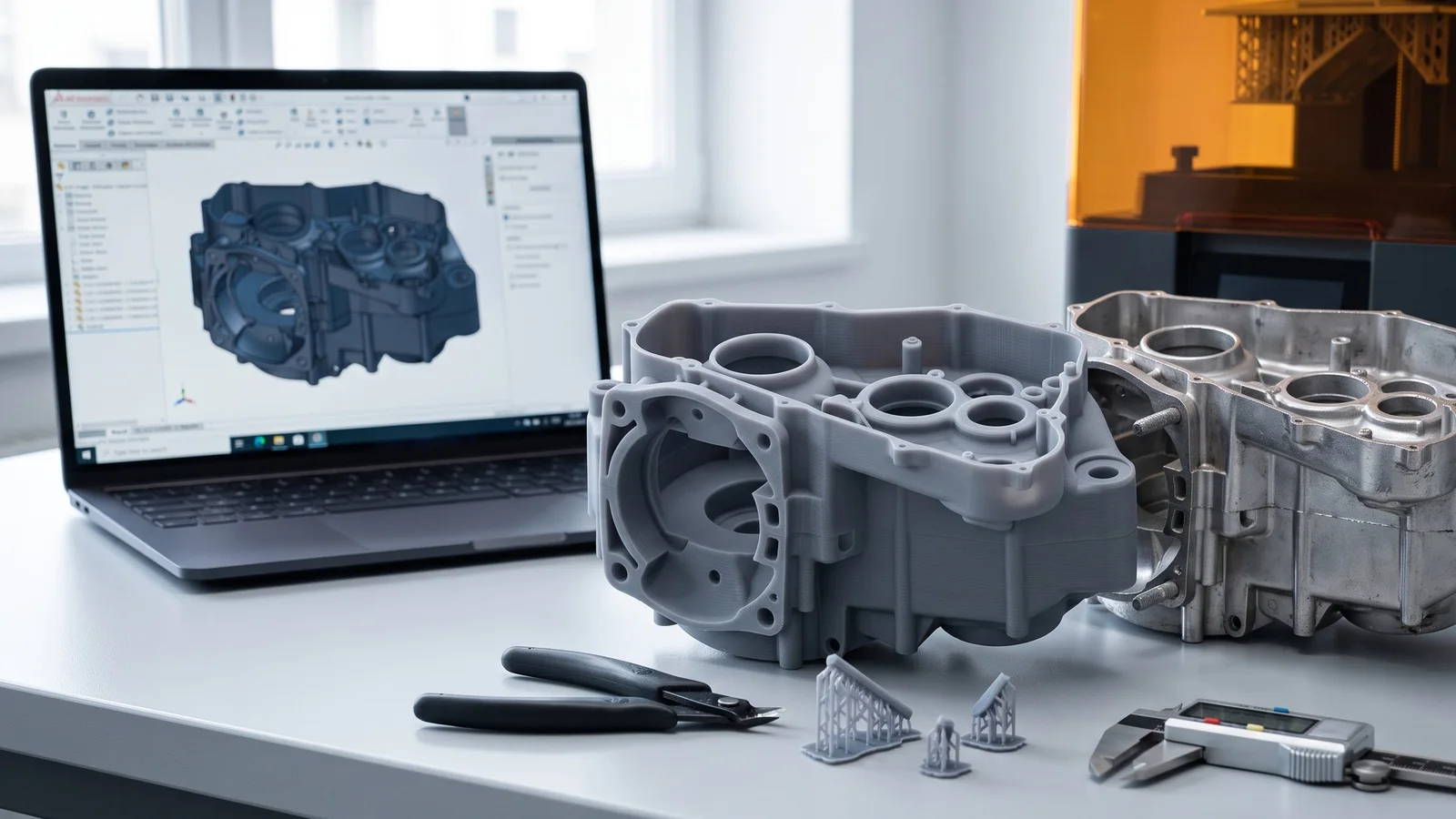
Read article →How to go from a physical part to a 3D-printed prototype: scanning, CAD, print preparation and choosing a process, for engineers and designers in Coimbatore, India and the UAE.
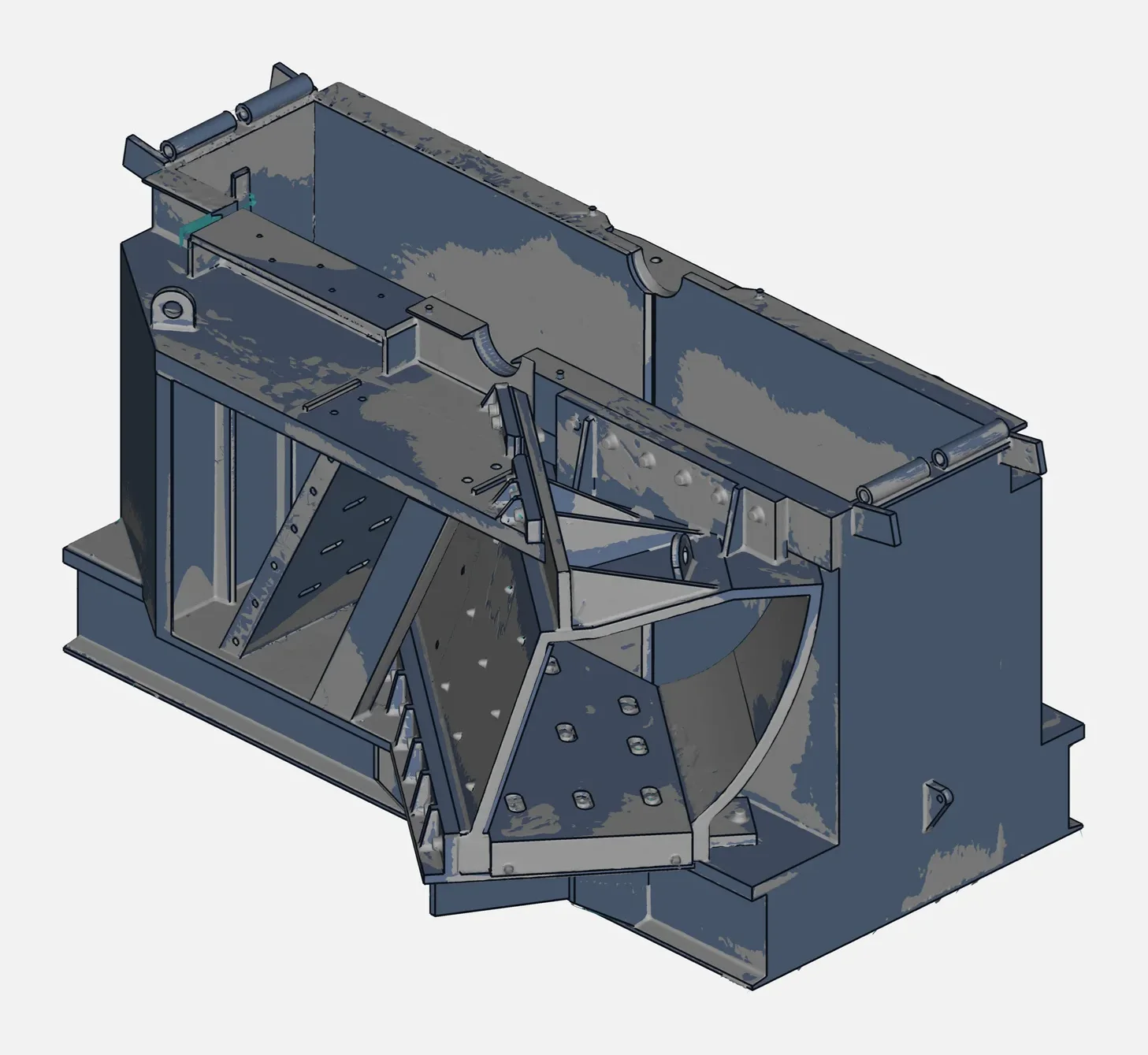
Read article →How 3D scanning and reverse engineering help mines, quarries and cement plants recreate crusher liners, throats and wear parts, and track wear, in India and the Gulf.
Read article →What 3D scanner accuracy specs really mean: precision, volumetric accuracy, resolution, and what affects real-world results when you scan and inspect parts.
Read article →Tell us what you need — we usually reply within one working day.